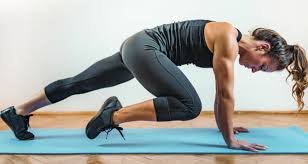
In today’s fast-paced world, many people struggle to find time for traditional, hour-long workouts. Between work, family, and social commitments, consistent exercise often feels unattainable. This challenge has given rise to a powerful trend in fitness: snack-sized workouts and active micro-routines. These are short, frequent bouts of physical activity—ranging from 2 to 15 minutes—that can be incorporated throughout the day to improve overall health, fitness, and energy.
Despite their brevity, these micro-workouts can boost metabolism, strengthen muscles, enhance cardiovascular health, and improve mood, making them a practical and sustainable approach to modern fitness. This article explores the science behind snack-sized workouts, practical strategies, and tips to integrate them seamlessly into daily life.
Understanding Snack-Sized Workouts and Micro-Routines
Snack-sized workouts are mini exercise sessions performed multiple times a day instead of a single extended workout. Key features include:
- Short duration: 2–15 minutes
- High intensity or functional movement: Can be strength, cardio, or flexibility-focused
- Accessibility: Minimal or no equipment required
- Frequency over duration: Total daily activity matters more than single prolonged sessions
Active micro-routines are slightly broader, encompassing any small movement-based activity integrated into daily tasks. Examples include:
- Desk stretches or squats at work
- Walking meetings
- Stair climbing during breaks
- Short mobility routines before meals
Both concepts shift the focus from “time-consuming workouts” to movement as a habit, making fitness achievable for anyone.
Science Behind Short Workouts
Research supports the effectiveness of snack-sized workouts:
1. High-Intensity Interval Training (HIIT) in Mini-Doses
Even 5–10 minutes of high-intensity activity can:
- Improve cardiovascular fitness
- Boost metabolism through excess post-exercise oxygen consumption (EPOC)
- Enhance insulin sensitivity
- Promote fat oxidation
Studies show that multiple short HIIT sessions throughout the day can produce similar benefits to longer workouts.
2. Accumulated Activity Principle
Physical activity guidelines recommend 150 minutes of moderate or 75 minutes of vigorous activity per week. These minutes can be accumulated in short bouts of at least 2–10 minutes, making exercise more flexible and achievable.
3. Cognitive and Mood Benefits
Brief movement sessions stimulate blood flow, oxygen delivery, and endorphin release, which:
- Improve focus and productivity
- Reduce stress and anxiety
- Elevate mood, especially during sedentary workdays
Types of Snack-Sized Workouts
1. Strength Micro-Sessions
Short strength sessions strengthen muscles and improve metabolic health:
- Bodyweight circuits: Push-ups, squats, lunges, planks (5–10 min)
- Resistance band routines: Target arms, back, or legs
- Desk-friendly exercises: Seated leg raises, chair dips, wall sits
Performing multiple mini-strength sessions in a day accumulates muscle stimulus, improving tone and endurance.
2. Cardio Micro-Bursts
Quick cardiovascular bursts can boost heart health and burn calories:
- Jumping jacks, high knees, burpees (3–5 min)
- Stair climbing for 2–3 flights
- Mini dance sessions at home or office
Even 2–3 bursts of 5 minutes elevate heart rate and provide measurable aerobic benefits.
3. Mobility and Stretching Micro-Routines
Sedentary behavior can lead to stiffness and poor posture. Short mobility routines counteract these effects:
- Desk stretches: Neck, shoulders, wrists, hamstrings
- Yoga flows: Sun salutations or 5-min core sequences
- Foam rolling or dynamic stretching
Incorporating mobility micro-routines throughout the day prevents injury and enhances functional fitness.
4. Integrated Active Breaks
Micro-routines don’t always require structured exercises. Simple strategies include:
- Walking or standing during phone calls
- Doing squats or calf raises while cooking
- Parking further away to increase step count
- Using stairs instead of elevators
These movement snacks increase daily energy expenditure without disrupting routine.
Designing an Effective Micro-Routine Strategy
Step 1: Assess Your Daily Schedule
Identify opportunities for short bursts:
- Morning (wake-up mobility)
- Mid-morning break (strength or cardio)
- Lunch break (walk or light exercise)
- Afternoon slump (movement break to boost focus)
- Evening (flexibility, yoga, or core work)
Step 2: Determine Goals
- Fat loss: Focus on multiple short high-intensity bursts
- Muscle tone: Include micro-strength sessions
- Mobility and posture: Incorporate stretching and yoga flows
Step 3: Mix Exercise Modalities
Alternate between:
- Strength: Push-ups, lunges, planks
- Cardio: Jump rope, stairs, dance
- Mobility: Yoga, stretching, joint rotations
Variety maintains engagement and improves overall fitness.
Step 4: Use Technology for Motivation
- Fitness apps with micro-workout options (e.g., 7-Minute Workout, Nike Training Club)
- Smartwatches and step counters to track daily activity
- Reminders to move every 30–60 minutes
Step 5: Gradual Progression
Start with 2–3 micro-workouts per day, gradually increasing intensity, frequency, or duration.
Benefits of Snack-Sized Workouts
- Increased Consistency: Short sessions are easier to commit to than long workouts.
- Reduced Sedentary Impact: Frequent movement mitigates risks of sitting for extended periods.
- Metabolic Boost: Small bouts of exercise raise heart rate and calorie burn.
- Mental Clarity: Movement breaks improve focus, creativity, and mood.
- Flexibility and Accessibility: No gym or special equipment required.
- Adaptable for All Fitness Levels: Exercises can be modified for beginners or advanced participants.
Practical Examples
Beginner Micro-Routine (5–10 min each)
- Morning: 5-minute mobility flow
- Midday: 10 push-ups + 10 squats + plank 30 sec
- Afternoon: Walk 500–1000 steps
Intermediate Micro-Routine
- Morning HIIT: 3 rounds of jumping jacks, mountain climbers, squats (5 min)
- Midday: Desk stretches and 10 chair dips
- Evening: Yoga flow (10–15 min)
Advanced Micro-Routine
- Morning: 7-min strength circuit (push-ups, lunges, burpees)
- Midday: Stair sprints 3–5 min
- Afternoon: Core micro-circuit (plank variations, Russian twists)
- Evening: 10-min foam rolling and mobility
Overcoming Common Challenges
- Time constraints: Schedule micro-workouts as calendar events or reminders
- Motivation dips: Pair activity with music, podcasts, or colleagues
- Workplace limitations: Use stairs, desk-friendly exercises, or walking breaks
- Consistency: Track progress in apps or journals
Future Trends in Micro-Workouts
- Wearable tech integration: Real-time reminders, heart rate tracking, and workout suggestions
- Gamification: Reward systems for completing daily micro-routines
- AI-driven customization: Personalized micro-workouts based on energy levels, sleep, and heart rate variability
- Hybrid fitness programs: Combining short home workouts with virtual group classes
These trends make snack-sized workouts more engaging, personalized, and measurable.
Final Thoughts
Snack-sized workouts and active micro-routines demonstrate that fitness doesn’t require hours at the gym. By strategically incorporating short, frequent bouts of movement into daily life, individuals can:
- Improve cardiovascular health
- Strengthen muscles
- Increase daily energy expenditure
- Enhance focus and mental clarity
- Reduce sedentary risks
- Achieve sustainable, long-term fitness results
The key is consistency, variety, and alignment with lifestyle. Micro-workouts empower anyone—regardless of schedule, fitness level, or environment—to build a healthier, more active life.
In essence, small, intentional bursts of movement can produce big, lasting results, transforming the way we think about fitness in a modern, busy world.