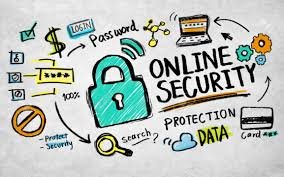
In the modern era, our lives are increasingly intertwined with digital spaces. From social media and online banking to remote work and e-learning, the internet has become essential for communication, commerce, and education. While the digital world offers immense opportunities, it also exposes individuals to risks such as cybercrime, privacy violations, scams, misinformation, and online harassment.
Safer internet practices and digital harm awareness have therefore become critical skills for anyone navigating the online environment. This article explores the principles of digital safety, strategies for protecting personal information, awareness of common digital threats, and practical steps to maintain security and mental well-being in online spaces.
Understanding Digital Safety
Digital safety encompasses the practices, tools, and behaviors that protect individuals, data, and devices from harm in online environments. It is more than just antivirus software; it includes personal awareness, ethical behavior, and proactive management of digital footprints.
Key Components of Digital Safety
- Data Protection: Safeguarding personal information such as financial data, passwords, identity documents, and sensitive communications.
- Privacy Management: Controlling what information is shared publicly or with third parties.
- Cybersecurity Measures: Preventing unauthorized access to devices and online accounts through strong passwords, authentication, and secure networks.
- Safe Online Behavior: Identifying and avoiding scams, phishing attacks, fake news, and harmful content.
- Digital Well-Being: Managing screen time, exposure to harmful content, and online interactions to maintain mental health.
Common Digital Threats
Understanding potential online hazards is the first step in building safer internet habits.
- Phishing and Scams: Fraudulent messages or websites designed to steal personal information or money.
- Malware and Viruses: Malicious software that can damage devices, steal data, or track online activity.
- Identity Theft: Unauthorized use of personal information for financial gain or fraudulent activities.
- Cyberbullying and Harassment: Abusive behavior, threats, or unwanted attention that can cause emotional harm.
- Misinformation and Fake News: False or misleading information that can influence opinions or lead to harmful decisions.
- Data Privacy Violations: Unauthorized access or misuse of personal information by apps, websites, or organizations.
Best Practices for Online Safety
1. Strong Passwords and Authentication
- Use unique, complex passwords for every account
- Combine letters, numbers, and symbols
- Enable two-factor authentication (2FA) whenever possible
- Consider a password manager for secure storage
2. Secure Internet Connections
- Avoid public Wi-Fi for sensitive transactions
- Use VPNs (Virtual Private Networks) to encrypt online activity
- Ensure home Wi-Fi is password-protected with strong encryption
3. Privacy Settings and Data Control
- Review social media privacy settings regularly
- Limit the amount of personal information shared online
- Adjust app permissions to access only necessary data
- Be cautious about location tracking and geotagging
4. Awareness of Phishing and Scams
- Verify the sender before clicking on links or downloading attachments
- Avoid sharing sensitive information via email or messaging apps
- Look for signs of fraud such as urgent messages, misspellings, or unusual URLs
- Report suspicious activity to the platform or relevant authorities
5. Safe Social Media Practices
- Avoid oversharing personal information or daily routines
- Use strong privacy controls for posts and profiles
- Monitor friend lists and connections to prevent exposure to unknown individuals
- Educate teens and children about digital etiquette and online risks
6. Cybersecurity Software and Tools
- Install reputable antivirus and anti-malware programs
- Keep operating systems and apps updated to patch vulnerabilities
- Use browser extensions to block malicious ads or trackers
Digital Literacy and Awareness
Digital literacy is a core component of safer internet practices. It involves the ability to critically evaluate information, recognize online threats, and use digital tools responsibly.
Key Skills for Digital Literacy
- Fact-checking: Verify sources before sharing information
- Critical thinking: Analyze online content for bias or misleading claims
- Responsible communication: Avoid spreading rumors or engaging in harmful interactions
- Cyber etiquette: Respect privacy, consent, and boundaries online
Education in digital literacy is crucial for children, students, professionals, and seniors, as every demographic faces unique online challenges.
Protecting Mental Health Online
Digital safety is not just about data and devices—it also involves mental well-being. Exposure to cyberbullying, misinformation, and social comparison can affect stress levels, anxiety, and self-esteem.
Strategies for Mental Digital Safety
- Set boundaries on screen time
- Curate social media feeds to reduce exposure to negativity
- Take regular digital detoxes to disconnect and recharge
- Seek support when facing online harassment or harmful content
- Practice mindfulness and self-care to mitigate digital stress
Educating Families and Communities
Safer internet practices are most effective when learned collectively. Families and communities can adopt the following strategies:
- Conduct digital literacy workshops for children and parents
- Establish household rules for online behavior
- Encourage open conversations about online experiences
- Advocate for community awareness campaigns on cybercrime and privacy
Emerging Trends in Digital Safety
- AI-Powered Security: Artificial intelligence is used to detect phishing, malware, and suspicious activity in real time.
- Behavioral Biometrics: Advanced authentication based on typing patterns, device usage, or biometrics.
- Privacy-First Platforms: Social media and apps increasingly adopt privacy-enhancing features.
- Regulations and Cyber Laws: Governments enforce stricter rules for online safety and data protection (e.g., GDPR).
- Educational Tools: Gamified platforms and apps teach children and adults safer internet practices.
Creating a Personal Digital Safety Plan
A proactive approach ensures long-term protection:
- Assess Risks: Identify accounts, devices, and online activities most vulnerable to threats.
- Update Devices and Software: Ensure all devices are patched with the latest security updates.
- Use Secure Practices: Strong passwords, VPNs, and multi-factor authentication.
- Limit Data Sharing: Only share information essential for a service or communication.
- Monitor Accounts: Regularly review activity logs, banking transactions, and social media interactions.
- Educate Continuously: Stay updated on emerging threats and safety techniques.
Final Thoughts
Safer internet practices and digital harm awareness are essential skills in the modern world. Protecting personal data, practicing mindful online behavior, and maintaining digital well-being empowers individuals to use technology responsibly.
By adopting a comprehensive approach—combining cybersecurity, privacy management, digital literacy, and mental wellness—users can minimize risks, prevent harm, and enjoy the benefits of the digital world safely.
Ultimately, online safety is about awareness, preparedness, and intentional action, ensuring that the digital spaces we inhabit remain secure, empowering, and supportive of our personal and communal well-bein