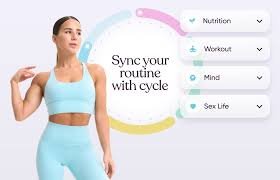
In recent years, wellness science has begun recognizing the profound impact of hormonal rhythms on physical, mental, and emotional health, particularly in women. Every month, the body undergoes a complex hormonal cycle that influences energy levels, metabolism, mood, sleep, and cognitive function. Cycle syncing is a lifestyle strategy that aligns daily activities, nutrition, fitness, and work habits with these hormonal fluctuations to optimize performance, health, and well-being.
Rather than forcing the body into a rigid, one-size-fits-all routine, cycle syncing embraces the natural biological rhythm. By understanding and working with the menstrual cycle (or, for those with irregular cycles, approximating hormonal phases), individuals can maximize energy, reduce stress, support reproductive health, and improve overall productivity.
This article explores the concept of cycle syncing, hormone-based lifestyle planning, the science behind it, practical strategies, and the benefits of aligning life with your body’s natural rhythm.
Understanding the Menstrual Cycle and Hormonal Phases
The menstrual cycle typically lasts 28 days, though individual variation exists. It consists of four main phases, each characterized by distinct hormonal profiles:
1. Menstrual Phase (Days 1–5)
- Hormones: Low estrogen and progesterone
- Body Signals: Low energy, mild fatigue, introspective mood
- Opportunities: Rest, reflection, planning, light physical activity
2. Follicular Phase (Days 6–14)
- Hormones: Rising estrogen and follicle-stimulating hormone (FSH)
- Body Signals: Increased energy, mental clarity, motivation, creativity
- Opportunities: High-intensity exercise, strategic planning, social engagement, learning
3. Ovulatory Phase (Days 14–16)
- Hormones: Peak estrogen and luteinizing hormone (LH) surge
- Body Signals: Confidence, peak communication skills, peak strength, social energy
- Opportunities: Networking, presentations, challenging workouts, collaboration
4. Luteal Phase (Days 17–28)
- Hormones: Rising progesterone, moderate estrogen
- Body Signals: Slight fatigue, mood fluctuations, introspection
- Opportunities: Focused work, steady moderate exercise, stress management, meal planning
Understanding these phases allows intentional lifestyle adjustments to leverage hormonal strengths and accommodate natural dips.
Principles of Cycle Syncing Wellness
Cycle syncing is based on four foundational principles:
1. Hormone-Aware Nutrition
Hormonal fluctuations affect metabolism, appetite, and nutrient needs. Cycle syncing nutrition involves:
- Menstrual Phase: Iron-rich foods to replenish blood loss, gentle meals
- Follicular Phase: Protein and complex carbs to support energy and brain function
- Ovulatory Phase: Lean proteins, antioxidants, fiber for sustained energy and immune support
- Luteal Phase: Magnesium and B vitamins to reduce PMS symptoms, stabilize mood
Hydration and limiting refined sugars and caffeine can mitigate hormonal discomfort across all phases.
2. Fitness Alignment
Energy levels and muscle performance vary throughout the cycle:
- Menstrual Phase: Gentle movement (yoga, walking, stretching)
- Follicular Phase: Strength training, moderate-intensity cardio
- Ovulatory Phase: Peak performance workouts, HIIT, heavier lifting
- Luteal Phase: Moderate cardio, functional training, core stability
Aligning workouts with hormonal energy improves performance, recovery, and adherence.
3. Cognitive and Work-Life Strategy
Cognitive performance fluctuates with hormones:
- Follicular & Ovulatory: Use high-energy periods for brainstorming, strategic planning, creative tasks, networking
- Luteal & Menstrual: Prioritize routine, reflective tasks, and low-stress projects
This approach enhances productivity while reducing burnout caused by misaligned effort.
4. Emotional and Stress Management
Hormones influence mood, resilience, and stress perception. Cycle syncing incorporates:
- Meditation, breathwork, or journaling during low-energy phases
- Social engagement and collaboration during high-energy phases
- Mindful planning to anticipate emotional dips
Supporting emotional resilience reduces PMS or mood swings and improves mental wellness.
Tracking and Implementing Cycle Syncing
To effectively implement cycle syncing, the first step is tracking your cycle:
- Menstrual tracking apps (e.g., Clue, Flo, or Apple Health)
- Observing physical signs (energy, sleep quality, cravings, mood)
- Journaling daily patterns for at least 2–3 cycles
Once patterns are understood, lifestyle adjustments can be planned phase by phase, including nutrition, fitness, work, and social activities.
Benefits of Cycle Syncing Wellness
1. Physical Health Optimization
- Reduces PMS symptoms
- Supports hormone balance and metabolic efficiency
- Enhances energy management
- Improves workout efficiency and recovery
2. Mental and Cognitive Benefits
- Aligns high-focus tasks with peak cognitive phases
- Enhances creativity and problem-solving
- Improves emotional regulation and resilience
3. Stress Reduction and Emotional Wellness
- Reduces mood swings and irritability
- Encourages self-compassion and body awareness
- Promotes mindful pacing of responsibilities
4. Long-Term Hormonal Health
- Supports reproductive and endocrine health
- May reduce risk of hormonal imbalances and chronic stress-related disorders
Integrating Technology in Cycle Syncing
Modern tools enhance precision and personalization:
- Cycle tracking apps: Predict phases, symptoms, and optimal activity windows
- Wearables: Monitor sleep, heart rate variability, and stress response to adapt lifestyle
- Nutrition apps: Sync dietary needs with hormonal phases
- Digital reminders: Schedule workouts and work tasks in alignment with energy levels
Technology helps turn insights into actionable lifestyle changes.
Practical Example of a Cycle-Synced Week
| Phase | Focus | Exercise | Nutrition | Mindset/Tasks |
|---|---|---|---|---|
| Menstrual | Rest & reflection | Gentle yoga, walking | Iron-rich meals, light protein | Journaling, light planning |
| Follicular | High energy & learning | Strength, cardio | Balanced protein, complex carbs | Creative work, skill learning |
| Ovulatory | Peak performance | HIIT, heavier lifting | Antioxidants, lean protein | Networking, presentations |
| Luteal | Steady output & recovery | Moderate cardio, core | Magnesium, B vitamins | Routine tasks, stress management |
Limitations and Considerations
- Individual cycle lengths vary; personalized adjustments are key
- External factors (stress, sleep, illness) may disrupt hormones
- Not all symptoms are cycle-related; medical consultation may be needed
- Data-driven approach (tracking + adaptation) ensures better outcomes
Future Trends in Cycle Syncing Wellness
- Integration with wearable biosensors to monitor real-time hormonal signals
- AI-driven personalized recommendations for diet, fitness, and work scheduling
- Community-based programs for shared learning and support
- Hormone-focused telehealth coaching for women with irregular cycles or hormonal concerns
These innovations promise more precise, individualized, and actionable lifestyle guidance.
Final Thoughts
Cycle syncing wellness is a holistic, hormone-informed approach that aligns daily life with natural biological rhythms. By respecting and leveraging the menstrual cycle, individuals can enhance:
- Physical performance and energy
- Cognitive efficiency
- Emotional resilience
- Overall well-being
This strategy shifts the paradigm from reactive wellness to proactive, rhythm-aligned living. When applied consistently, cycle syncing fosters harmony between the body’s biology and lifestyle, allowing women to thrive physically, mentally, and emotionally throughout the month.
In essence, cycle syncing is not just a wellness trend — it’s a science-based blueprint for optimizing life around your body’s natural hormonal cadence.