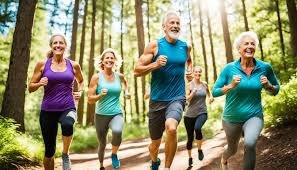
Health and wellness are no longer solely individual pursuits. Research increasingly shows that social connections, community engagement, and group-based activities play a critical role in physical, mental, and emotional well-being. Community-based wellness leverages the power of shared experiences, collective motivation, and social support to enhance health outcomes and promote long-term lifestyle adherence.
From group fitness classes to neighborhood wellness initiatives and support networks, these activities provide structure, accountability, and a sense of belonging. Unlike isolated wellness routines, community-based approaches address not only physical health but also mental resilience, social cohesion, and emotional fulfillment.
This article explores the concept, benefits, strategies, and implementation of community-based wellness activities, highlighting why connecting with others is as important as exercise, nutrition, and mindfulness.
Understanding Community-Based Wellness
Community-based wellness refers to structured activities or initiatives designed to improve health outcomes through social engagement. Unlike individual health strategies, these programs harness collective motivation, peer accountability, and group dynamics to create sustainable behavior change.
Key features include:
- Shared goals: Group members often work toward similar fitness, mental health, or lifestyle targets.
- Accountability: Social expectations encourage adherence to routines.
- Emotional support: Members provide encouragement, feedback, and empathy.
- Collective learning: Skills, knowledge, and motivation are shared.
- Belonging: Participation creates a sense of identity and inclusion.
Benefits of Community-Based Wellness Activities
1. Physical Health Improvement
Group fitness programs improve cardiovascular health, strength, flexibility, and endurance. Evidence suggests that individuals participating in group-based exercise programs:
- Are more consistent with workouts
- Burn more calories due to collective energy
- Improve long-term adherence
Examples include community yoga classes, Zumba sessions, spinning clubs, and walking or running groups.
2. Mental Health and Emotional Well-being
Social engagement reduces stress, anxiety, and depression. Benefits include:
- Release of endorphins through shared physical activity
- Reduced feelings of isolation and loneliness
- Enhanced mood and emotional resilience
- Greater motivation to maintain self-care routines
Community participation creates emotional scaffolding, helping individuals handle life challenges more effectively.
3. Social Cohesion and Support Networks
Community-based wellness strengthens social bonds:
- Friendship and trust development
- Mentoring and peer guidance
- Opportunities for collaboration and leadership
- Strengthened sense of belonging
Strong social networks are associated with improved longevity, lower cardiovascular risk, and better mental health.
4. Knowledge Sharing and Education
Wellness communities often provide access to health education and skill-building:
- Nutrition workshops
- Stress management seminars
- Mindfulness and meditation sessions
- Exercise technique guidance
Collective learning accelerates knowledge adoption and encourages sustainable health behaviors.
Key Types of Community-Based Wellness Activities
1. Group Fitness Programs
Group fitness emphasizes structured exercise in a social setting. Popular formats include:
- Yoga and Pilates classes: Improve flexibility, core strength, and mindfulness
- Boot camps and circuit training: High-intensity social workouts that boost metabolism
- Dance and aerobics classes: Cardiovascular training with social enjoyment
- Walking and running clubs: Promote endurance while building friendships
Benefits of group fitness:
- Encourages regular attendance
- Provides variety and motivation
- Reduces exercise intimidation for beginners
- Enhances accountability through peer observation
2. Support Groups and Wellness Circles
These focus on emotional and mental well-being rather than physical fitness:
- Stress reduction groups
- Chronic illness peer support
- Weight management circles
- Mindfulness or meditation communities
These networks allow participants to share challenges, celebrate progress, and access peer guidance, improving resilience and coping strategies.
3. Community Challenges and Events
Organized challenges leverage collective participation to motivate healthy habits:
- Step count competitions
- Fitness challenges (e.g., 30-day squat challenge)
- Local charity runs and walks
- Nutrition-focused group challenges
These activities combine fun, competition, and social bonding, which drive sustained engagement.
4. Educational Workshops and Wellness Seminars
Community education increases awareness and knowledge, supporting long-term behavior change:
- Healthy cooking demonstrations
- Stress management workshops
- Preventive health screenings
- Sleep optimization seminars
Integrating these into community wellness fosters holistic health literacy.
Social Psychology Behind Group Wellness
Group-based health initiatives work because of human behavioral tendencies:
- Social Facilitation: People perform better when exercising alongside others due to increased motivation.
- Peer Accountability: Commitment to a group increases adherence and consistency.
- Norm Setting: Healthy behaviors become normalized within the community.
- Emotional Contagion: Positive mood and energy spread across participants, enhancing engagement.
Understanding these principles allows community wellness organizers to design effective programs.
Digital and Virtual Community-Based Wellness
The rise of technology has expanded community wellness beyond physical locations:
- Online fitness classes: Zoom, YouTube live sessions
- Health-focused social apps: Track progress and share milestones
- Virtual support groups: Emotional resilience and stress management
- Wearable device communities: Fitbit, Strava, and Apple Health challenges
Virtual platforms maintain accountability, motivation, and engagement while removing geographical barriers.
Integrating Wellness Across Life Domains
Community wellness is most effective when it touches multiple life areas:
- Physical: Group exercise and activity tracking
- Mental: Mindfulness, meditation, and cognitive challenges
- Emotional: Support networks, group discussions, therapy circles
- Educational: Nutrition, health literacy, preventive care
- Recreational: Outdoor adventures, sports, creative arts
Holistic engagement ensures sustainable lifestyle improvements.
Designing Effective Community Wellness Programs
Key factors to ensure success:
- Accessibility: Affordable, convenient locations or online access
- Inclusivity: Programs suitable for all ages, fitness levels, and backgrounds
- Consistency: Regular sessions and predictable schedules
- Qualified Facilitation: Trainers, health coaches, and moderators
- Feedback Mechanisms: Encourage participant input to refine programming
- Goal-Oriented: Track progress and celebrate milestones
- Fun and Engagement: Enjoyable activities increase participation
A well-designed program balances structure, flexibility, and social connection.
Benefits for Organizations and Communities
Beyond individual health, community wellness initiatives improve organizational and social outcomes:
- Higher employee engagement and productivity
- Reduced absenteeism
- Increased community cohesion and support
- Enhanced public health outcomes
- Lower healthcare costs
Businesses, schools, and neighborhoods increasingly invest in wellness programs as preventive and morale-boosting strategies.
Common Challenges and Solutions
Challenges:
- Low participation due to busy schedules
- Initial intimidation for beginners
- Limited resources in small communities
- Sustaining engagement over time
Solutions:
- Offer multiple time slots or hybrid formats
- Foster a welcoming and non-judgmental environment
- Collaborate with local organizations for funding
- Introduce gamification and incentives to maintain participation
Measuring Impact
To ensure effectiveness, track metrics such as:
- Attendance and participation rates
- Physical health improvements (weight, blood pressure, strength)
- Mental health outcomes (stress, mood, resilience scores)
- Social engagement and community satisfaction
- Retention rates over time
Quantitative and qualitative feedback ensures continuous improvement.
Future Trends in Community-Based Wellness
Emerging trends include:
- AI-driven personalization: Tailored group challenges and progress tracking
- Integration of virtual reality: Immersive fitness and meditation experiences
- Corporate wellness expansion: Holistic employee health programs
- Intergenerational programs: Connecting youth and seniors for mutual benefits
- Hybrid wellness ecosystems: Combining in-person and digital engagement for maximum reach
These trends indicate community wellness will become more accessible, engaging, and effective in the coming years.
Final Thoughts
Community-based wellness activities combine social support, accountability, motivation, and knowledge sharing to create a sustainable and holistic approach to health. From group fitness and support networks to community challenges and educational workshops, these activities improve physical health, mental resilience, and emotional balance.
Participating in a community fosters a sense of belonging, strengthens emotional resilience, and reinforces healthy behaviors — benefits that individual routines alone cannot achieve. Whether in-person or virtual, well-designed community wellness programs empower individuals to thrive collectively, making health not just a personal goal but a shared achievement.
In essence, community wellness transforms individual well-being into a collective movement, where support, connection, and engagement become the foundation of lifelong health.