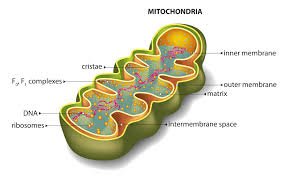
In modern health science, wellness is increasingly moving beyond superficial markers like weight, energy, or appearance. The real frontier of human optimization lies at the cellular and mitochondrial level — where the body’s energy, repair, and longevity mechanisms reside. Cellular health determines how efficiently your tissues function, how quickly you recover, and how well your organs resist age-related decline. Mitochondria, the tiny “power plants” inside cells, are at the center of this process, producing energy and regulating critical biological signals.
Recent trends in wellness, biotechnology, and anti-aging focus on deep biological optimization, aiming to enhance cellular function, mitochondrial efficiency, and overall resilience. These trends combine nutrition, lifestyle interventions, supplements, advanced diagnostics, and emerging therapies to improve energy metabolism, repair mechanisms, and longevity.
This article explores the latest trends, scientific rationale, practical strategies, and future directions in cellular and mitochondrial health.
Understanding Cellular Health
Every organ and tissue relies on healthy cells to function. Cellular health refers to:
- Efficient energy production
- Effective detoxification and repair
- Balanced oxidative stress
- Proper communication with other cells
- Resilience to damage and aging
Poor cellular health leads to fatigue, chronic inflammation, metabolic dysfunction, and accelerated aging. Maintaining cellular function is the foundation of whole-body optimization.
Mitochondria: The Powerhouses of Life
Mitochondria produce ATP (adenosine triphosphate) — the chemical energy that powers every cellular process. They also:
- Regulate apoptosis (programmed cell death)
- Produce signaling molecules for inflammation and repair
- Influence immune function
- Support brain, muscle, and heart performance
Mitochondrial dysfunction is linked to:
- Chronic fatigue
- Neurodegenerative disorders
- Metabolic syndrome
- Reduced exercise performance
- Accelerated aging
Optimizing mitochondrial function has become a core trend in longevity and performance medicine.
Key Drivers of Cellular and Mitochondrial Health
1. Nutrition for Cellular Optimization
What you eat directly affects cellular energy production. Key nutritional strategies:
- Mitochondrial cofactors: CoQ10, riboflavin, NAD+ precursors support ATP production.
- Polyphenols: Resveratrol, quercetin, curcumin protect mitochondria from oxidative stress.
- Healthy fats: Omega-3s support cell membrane integrity and signaling.
- Amino acids: L-carnitine, creatine, and glutamine aid energy metabolism and repair.
- Intermittent fasting or time-restricted feeding: Stimulates autophagy (cellular cleanup) and mitochondrial biogenesis.
2. Exercise & Mitochondrial Biogenesis
Physical activity is one of the strongest stimulators of mitochondrial health.
- Aerobic exercise: Enhances mitochondrial density in muscles and heart.
- High-intensity interval training (HIIT): Rapidly improves mitochondrial function and endurance.
- Strength training: Supports muscle mitochondria and overall metabolic rate.
Exercise also promotes mitophagy — the process of removing damaged mitochondria and replacing them with healthy ones.
3. Sleep and Circadian Optimization
Cells and mitochondria rely on restorative sleep to repair DNA, recycle damaged proteins, and maintain energy efficiency.
- Deep sleep supports cellular repair and autophagy
- Circadian alignment ensures proper timing of mitochondrial metabolism
- Disrupted sleep increases oxidative stress and accelerates mitochondrial aging
4. Stress Management
Chronic stress negatively impacts mitochondria by increasing cortisol and oxidative stress. Strategies include:
- Breathwork and vagal stimulation
- Meditation and mindfulness
- Nature exposure
- Recovery-focused routines
Reducing stress supports cellular resilience and slows the aging process.
Emerging Supplement Trends in Cellular Health
The supplement industry is increasingly targeting cellular and mitochondrial optimization. Common trends include:
NAD+ Precursors
- Compounds like nicotinamide riboside (NR) and nicotinamide mononucleotide (NMN) boost NAD+, a molecule essential for mitochondrial energy production and DNA repair.
Coenzyme Q10 (CoQ10) & Ubiquinol
- Supports electron transport chain efficiency
- Reduces oxidative stress
- Enhances energy production, especially in older adults
Mitochondrial Antioxidants
- MitoQ, PQQ (pyrroloquinoline quinone) target mitochondria directly
- Reduce free radical damage
- Improve energy metabolism and cellular signaling
Adaptogens for Cellular Stress Resistance
- Rhodiola, Ashwagandha, Panax ginseng
- Enhance mitochondrial resilience under stress
- Support metabolic flexibility
Advanced Therapies and Biohacking Approaches
Beyond lifestyle and supplements, advanced interventions are emerging:
Hyperbaric Oxygen Therapy (HBOT)
- Increases oxygen availability at the cellular level
- Stimulates mitochondrial efficiency
- Enhances stem cell mobilization and tissue repair
Photobiomodulation (PBM) / Red Light Therapy
- Uses red or near-infrared light to stimulate mitochondrial ATP production
- Reduces oxidative stress
- Supports muscle recovery, skin repair, and brain health
Cold and Heat Exposure (Thermotherapy)
- Cold exposure: Increases mitochondrial biogenesis and antioxidant defense
- Heat therapy (saunas): Stimulates stress response pathways that improve mitochondrial function
Stem Cell & Regenerative Approaches
- Emerging research explores using stem cells to repair damaged tissues
- May support cellular turnover and organ rejuvenation in aging
Monitoring Cellular and Mitochondrial Health
Modern wellness tools allow tracking of biological markers:
- Metabolic panels: Indicate mitochondrial energy efficiency
- VO2 max & exercise testing: Reflect mitochondrial function in muscles
- Oxidative stress assays: Measure cellular damage
- Wearable devices: Track heart rate variability, recovery, and sleep quality as indirect markers
Monitoring allows personalized interventions to optimize cellular function effectively.
Lifestyle-Based Cellular Optimization Framework
A comprehensive daily routine to support cellular and mitochondrial health includes:
- Nutrition: Antioxidants, high-quality protein, omega-3 fats, and NAD+ precursors
- Exercise: Aerobic + strength + HIIT
- Sleep: 7–9 hours with circadian alignment
- Stress Management: Breathwork, mindfulness, nature, and relaxation
- Recovery Practices: Sauna, cold exposure, light therapy
- Supplementation: Evidence-based mitochondrial support
- Monitoring: Track sleep, HRV, and metabolic markers
Consistency across all layers produces the greatest biological impact.
Common Pitfalls
- Over-reliance on supplements without lifestyle changes
- Ignoring sleep or stress, which undermine mitochondrial function
- Sudden extreme interventions (fasting, cold/heat) without adaptation
- Lack of personalized monitoring
Optimal cellular health requires balance, personalization, and gradual progression.
Future Trends in Cellular and Mitochondrial Health
The field is evolving rapidly. Emerging directions include:
- AI-guided mitochondrial optimization based on personal biomarkers
- Genetic and epigenetic modulation to enhance energy metabolism
- Advanced regenerative medicine for tissue rejuvenation
- Bioelectronic therapies targeting cellular signaling
- Precision nutrition to fuel cellular energy based on metabolic profiling
These technologies promise a deeply personalized, science-based approach to human optimization.
Final Thoughts
Cellular and mitochondrial health is the foundation of vitality, resilience, and longevity. By focusing on energy production, repair mechanisms, and stress adaptation at the cellular level, modern wellness strategies move beyond superficial interventions into true biological optimization.
From lifestyle, nutrition, and stress management to supplements, photobiomodulation, and emerging regenerative therapies, a multi-layered approach ensures maximum efficiency and resilience. The ultimate goal is a body and brain that function optimally at a cellular level, resist age-related decline, and support high performance throughout life.
Focusing on cellular and mitochondrial health is no longer optional — it is the frontier of next-level human wellness.