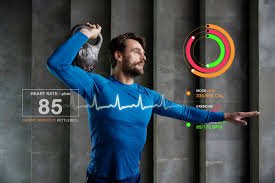
In the digital age, artificial intelligence (AI) is transforming how people manage their health and wellness. AI-powered personal health coaching is an innovative approach that combines data-driven insights, machine learning algorithms, and personalized recommendations to optimize nutrition, exercise, sleep, stress management, and overall lifestyle. Unlike traditional generic health advice, AI coaching adapts to individual needs, behaviors, and goals, providing actionable guidance for long-term health improvement.
This article explores what AI-powered health coaching is, how it works, its benefits, real-world applications, and the future of personalized digital wellness.
What is AI-Powered Personal Health Coaching?
AI health coaching leverages machine learning, predictive analytics, and wearable data to provide tailored guidance to users. Unlike standard wellness apps that offer generic suggestions, AI coaches:
- Analyze patterns in activity, sleep, diet, and stress levels
- Predict potential health risks before they manifest
- Deliver personalized recommendations for exercise, nutrition, recovery, and mental well-being
- Adapt guidance over time based on behavioral changes and progress
Essentially, AI acts as a virtual personal trainer, nutritionist, and lifestyle advisor, available 24/7, continuously learning from your data to refine advice.
How AI Health Coaching Works
AI-powered health coaching combines multiple technologies and inputs:
1. Data Collection
AI systems collect data from multiple sources:
- Wearable devices: Steps, heart rate, sleep cycles, HRV, oxygen saturation
- Smartphones and apps: Food logging, activity tracking, mood tracking
- Medical records: Lab results, medications, and health history (optional)
2. Machine Learning Analysis
Using collected data, AI identifies:
- Patterns in daily routines
- Behavioral trends affecting health outcomes
- Risk factors for chronic disease
- Areas for improvement, e.g., sleep, activity, nutrition
3. Personalized Recommendations
AI delivers actionable guidance such as:
- Optimal daily activity goals tailored to fitness level
- Meal suggestions aligned with macronutrient needs
- Sleep hygiene routines based on circadian rhythms
- Stress-reduction strategies personalized to stress patterns
4. Feedback and Progress Tracking
The system continuously monitors adherence and outcomes, adjusting recommendations in real time:
- Encouraging behavioral changes
- Offering micro-adjustments for improved results
- Tracking long-term health metrics for progress
Benefits of AI-Powered Health Coaching
1. Personalized Guidance
AI tailors advice to unique physiological, lifestyle, and behavioral factors, ensuring strategies are relevant and effective.
2. Real-Time Feedback
Users receive instant recommendations, correcting habits before they become patterns.
3. Motivation and Accountability
AI coaches use gamification, reminders, and progress tracking to encourage consistency.
4. Data-Driven Decision Making
Unlike generic programs, AI uses real-time data to refine goals, suggesting what works specifically for the individual.
5. Holistic Wellness
AI coaching addresses multiple dimensions:
- Physical fitness
- Nutrition and diet
- Sleep quality
- Stress management
- Mental resilience
6. Accessibility and Convenience
AI coaching is available anytime, anywhere, removing barriers such as time, cost, or location constraints.
Popular Applications of AI Health Coaching
- Fitness Optimization
AI coaches recommend personalized exercise routines, taking into account:
- Fitness level
- Daily activity patterns
- Recovery needs
- Goals like fat loss, muscle gain, or endurance
- Nutrition and Diet
AI-powered apps analyze food intake and suggest:
- Balanced meals based on macronutrient needs
- Calorie targets for weight management
- Anti-inflammatory or performance-boosting foods
- Timing strategies such as intermittent fasting
- Sleep Improvement
AI tools monitor sleep cycles and provide:
- Personalized bedtime routines
- Optimal wake-up times aligned with circadian rhythms
- Suggestions to reduce sleep disturbances
- Stress Management
By tracking heart rate variability, mood, and activity patterns, AI can:
- Recommend breathing exercises
- Suggest meditation or mindfulness routines
- Adapt intensity based on stress levels
- Chronic Disease Prevention
AI predicts risk factors for diabetes, hypertension, cardiovascular issues, and offers lifestyle strategies to mitigate them before onset.
AI Health Coaching vs Traditional Coaching
| Aspect | AI Health Coaching | Traditional Coaching |
|---|---|---|
| Availability | 24/7 | Limited to sessions |
| Personalization | Data-driven and adaptive | Based on general assessments |
| Cost | Often more affordable | Higher cost per session |
| Motivation | Gamification, real-time feedback | Relies on human interaction |
| Tracking | Continuous via wearables and apps | Limited to in-person progress checks |
| Convenience | Remote, anytime | Requires scheduling |
AI complements traditional coaching by providing continuous support and data-backed insights.
Best Practices for Using AI Health Coaches
- Wearables and Smart Devices
Use fitness trackers, smartwatches, and connected scales for accurate data.
- Set Clear Goals
Define priorities like weight management, endurance, stress reduction, or sleep improvement.
- Engage Regularly
Check recommendations, follow routines, and update your data for continuous learning.
- Integrate with Lifestyle
Combine AI advice with real-world behavior: exercise, healthy meals, quality sleep, and mindful stress management.
- Consult Professionals When Needed
AI coaching is complementary, not a substitute for medical care. Consult doctors for medical conditions or persistent health issues.
Future of AI-Powered Personal Health Coaching
- Predictive Health Modeling: AI will forecast potential conditions and suggest preventive measures.
- Hyper-Personalization: Combining genetic, microbiome, and wearable data for highly individualized recommendations.
- Integration with Telemedicine: Seamless transition from AI coaching to virtual consultations.
- Behavioral Psychology Integration: AI will learn individual habits to improve adherence and motivation.
- Virtual Reality (VR) Wellness: Immersive coaching for workouts, meditation, and stress management.
Potential Challenges
- Privacy Concerns: Personal health data must be securely stored and protected.
- Data Accuracy: Poor-quality input data can lead to less effective recommendations.
- Over-Reliance: Users may depend solely on AI without learning self-awareness or mindful habits.
- Regulatory Issues: Varying laws across regions may affect implementation.
Final Thoughts
AI-powered personal health coaching represents a revolution in lifestyle optimization, combining technology, data science, and behavioral insights to empower individuals. It allows users to track health metrics, receive personalized guidance, and adopt evidence-based habits for lasting wellness.
By leveraging AI for fitness, nutrition, sleep, and stress management, individuals can make smarter, data-driven choices, enhance performance, and reduce disease risk. While AI should complement—not replace—professional care, it offers unprecedented accessibility, personalization, and convenience for modern health management.
In essence, AI health coaching transforms personal wellness into a continuous, adaptive, and intelligent process, enabling individuals to optimize their health proactively and sustainably.